
As the Charles Stewart Mott Foundation marks 100 years since its establishment, the foundation is also closing an important chapter in its development work across East Africa concluding nearly a decade of support for off-grid energy initiatives in the region.
This transition does not reflect a reduced importance of clean energy access, but rather the beginning of a new strategic direction as the foundation enters its next century of impact.
For ELICO Foundation, this moment carries special meaning.
From 2020 to 2025, ELICO Foundation and the Mott Foundation built a partnership rooted in trust, innovation, and a shared commitment to transforming underserved communities in Tanzania.
Over six years, that partnership has strengthened institutions, expanded access to clean energy, and improved livelihoods for hundreds of thousands of people across the country.
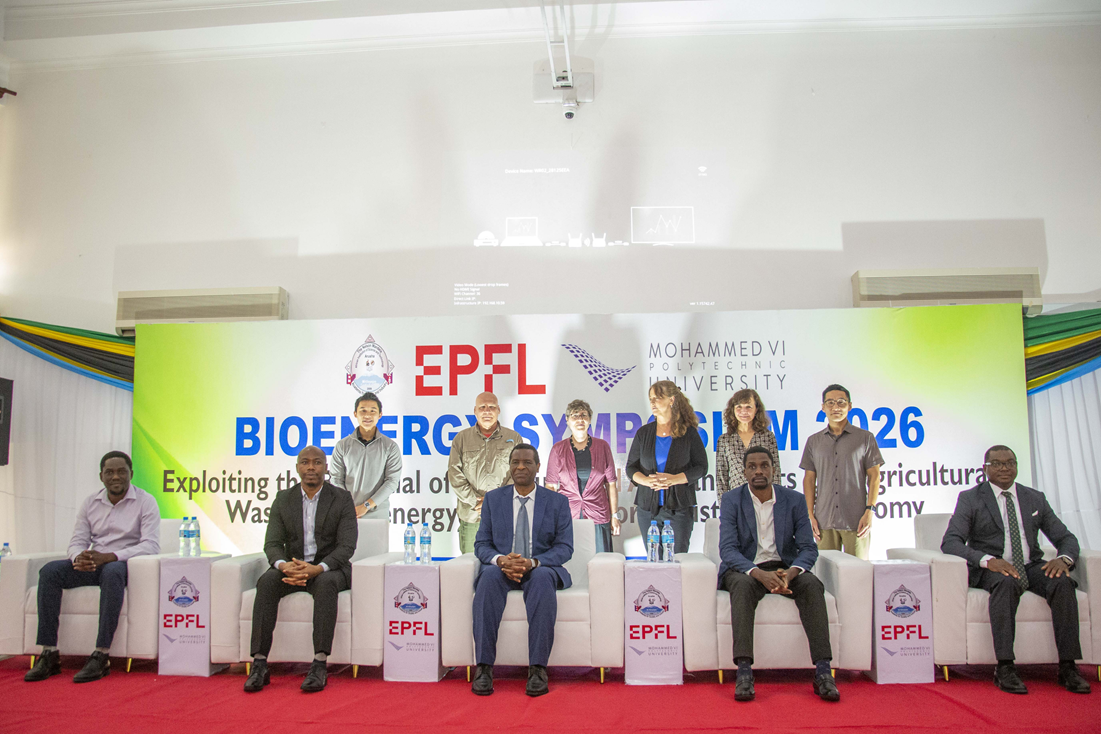
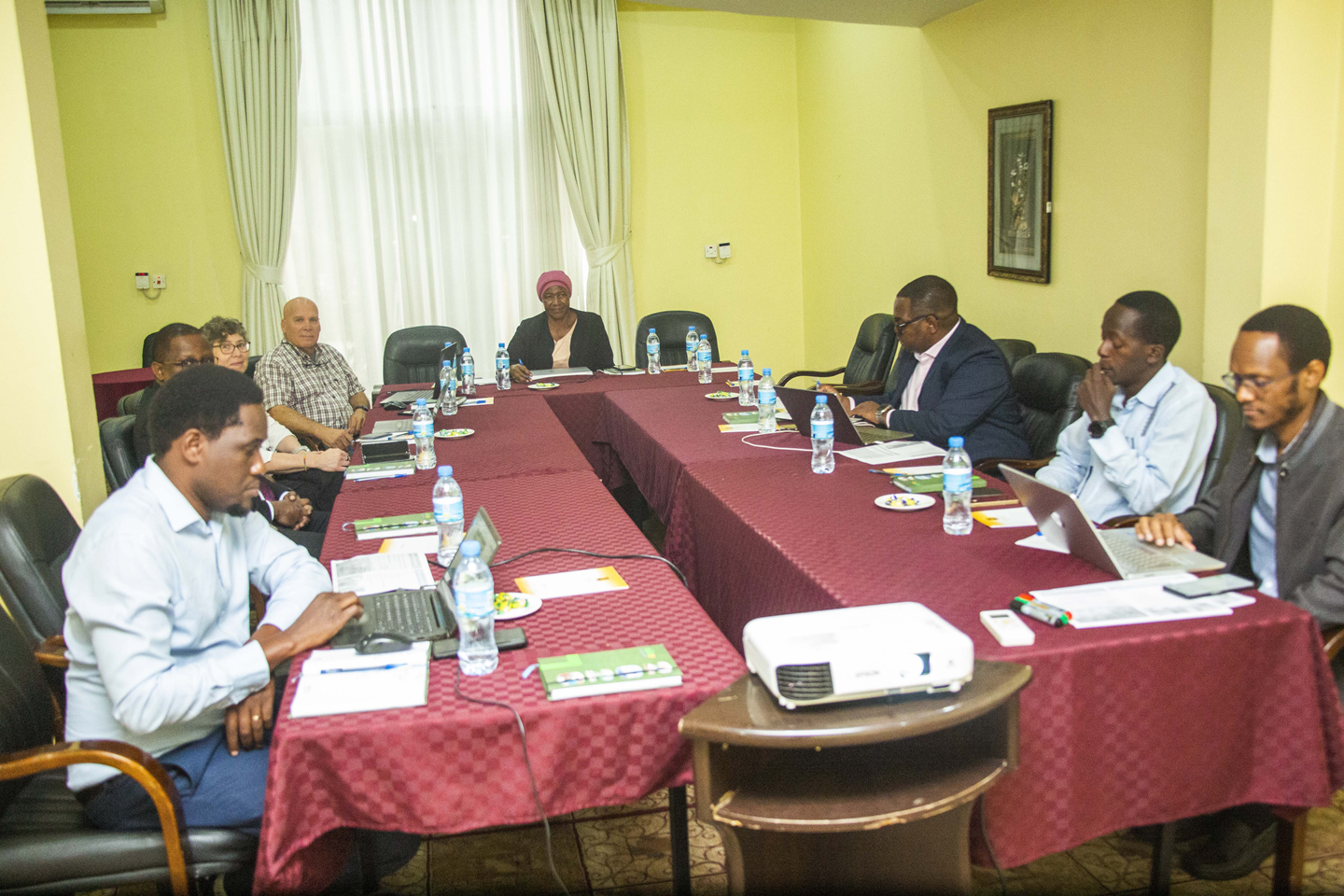
As part of this important transition, Samuel B. Passmore and Dr. Robert Ddamulira recently visited ELICO Foundation’s offices following a strategic engagement with Mott grantees held at White Sands Hotel.
The visit provided an opportunity for reflection, reconnection, and celebration of a partnership that has shaped ELICO’s journey over the past six years.
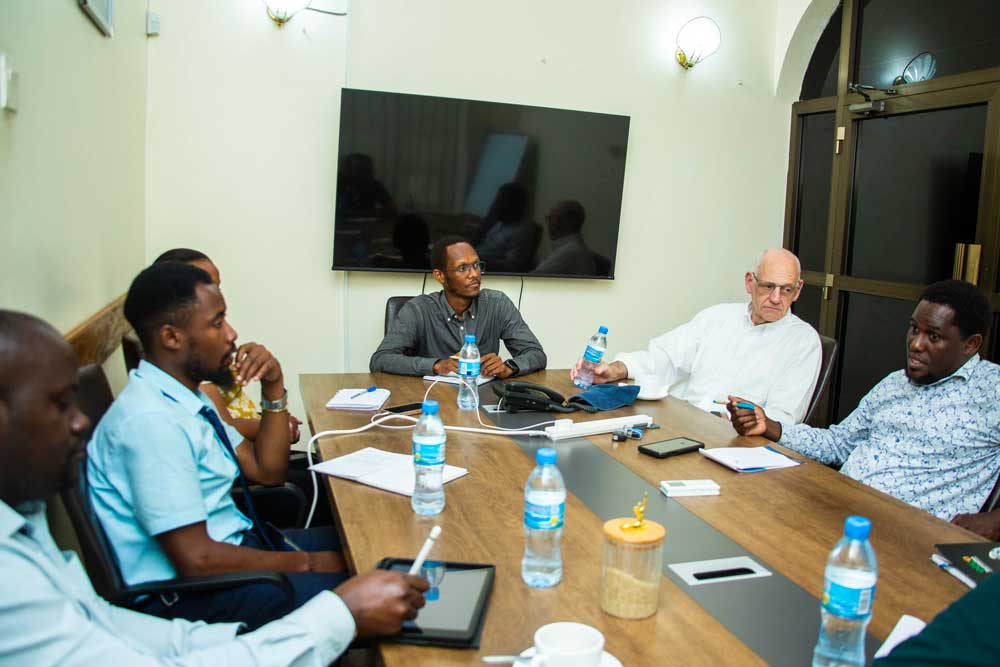
For Samuel B. Passmore, the visit was also deeply personal. Having played a role in supporting ELICO during its early formation, he witnessed firsthand how an idea that once required belief has grown into a resilient organization delivering measurable impact across Tanzania.
When Mott first partnered with ELICO at a defining stage in the organization’s growth, the support came at a critical moment helping strengthen internal systems, pilot community-centered energy solutions, and build the credibility needed to attract wider partnerships.
That early trust laid the foundation for what ELICO has become today. Over six years, the partnership delivered transformative results across multiple sectors.
The partnership has reached more than 900,000 people across Iringa, Dodoma, Ruvuma, Arusha, Manyara, Mwanza, Kigoma, Lindi, and Zanzibar through interventions in clean energy, agriculture, healthcare, fisheries, and economic empowerment.
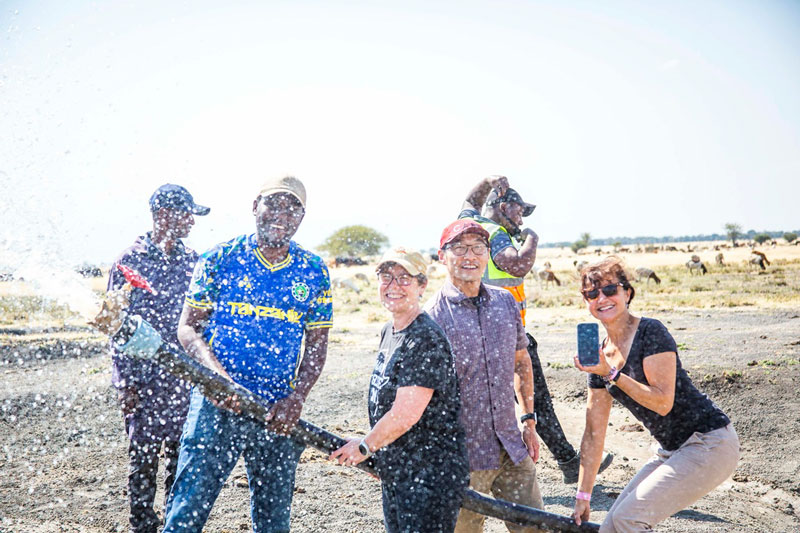
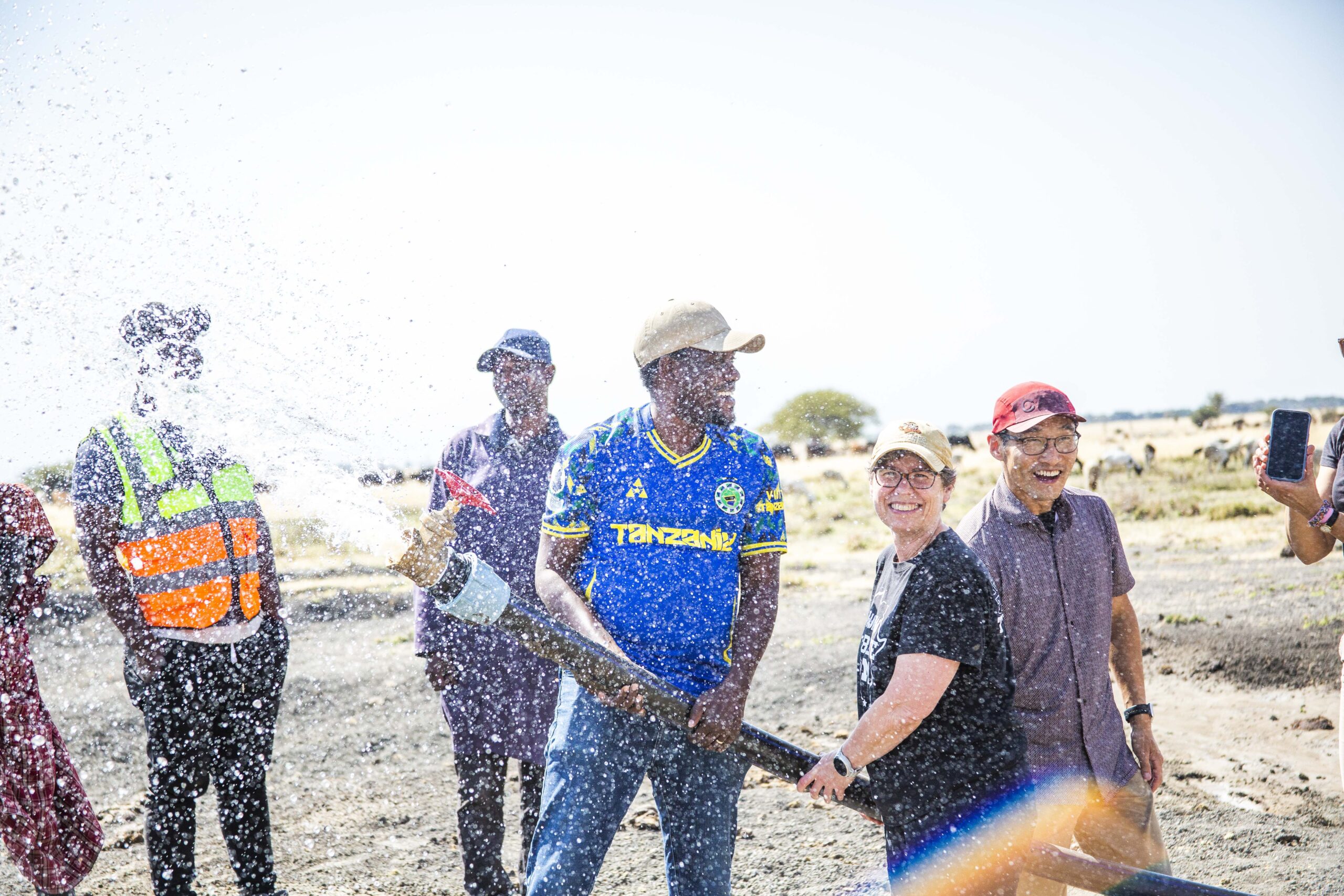
In Iringa, solar-powered energy transformed both the agriculture and healthcare sectors. In farming communities, solar-powered irrigation systems enabled farmers to expand production, reduce operational costs, and increase household incomes creating opportunities for families to build homes, educate their children, and invest in their future.
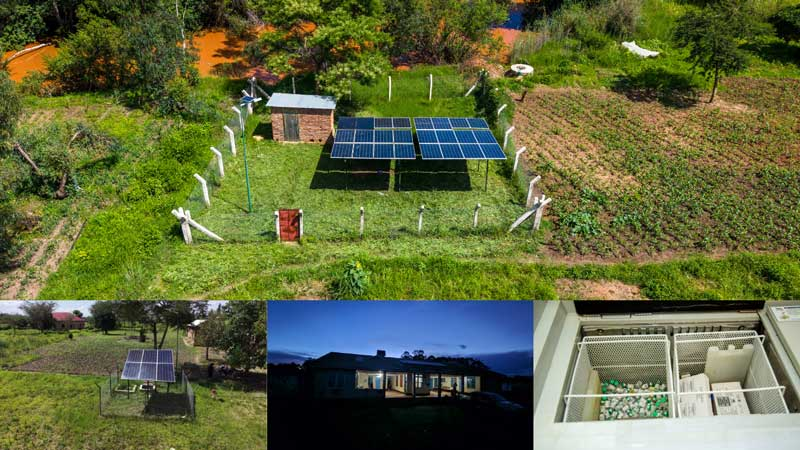
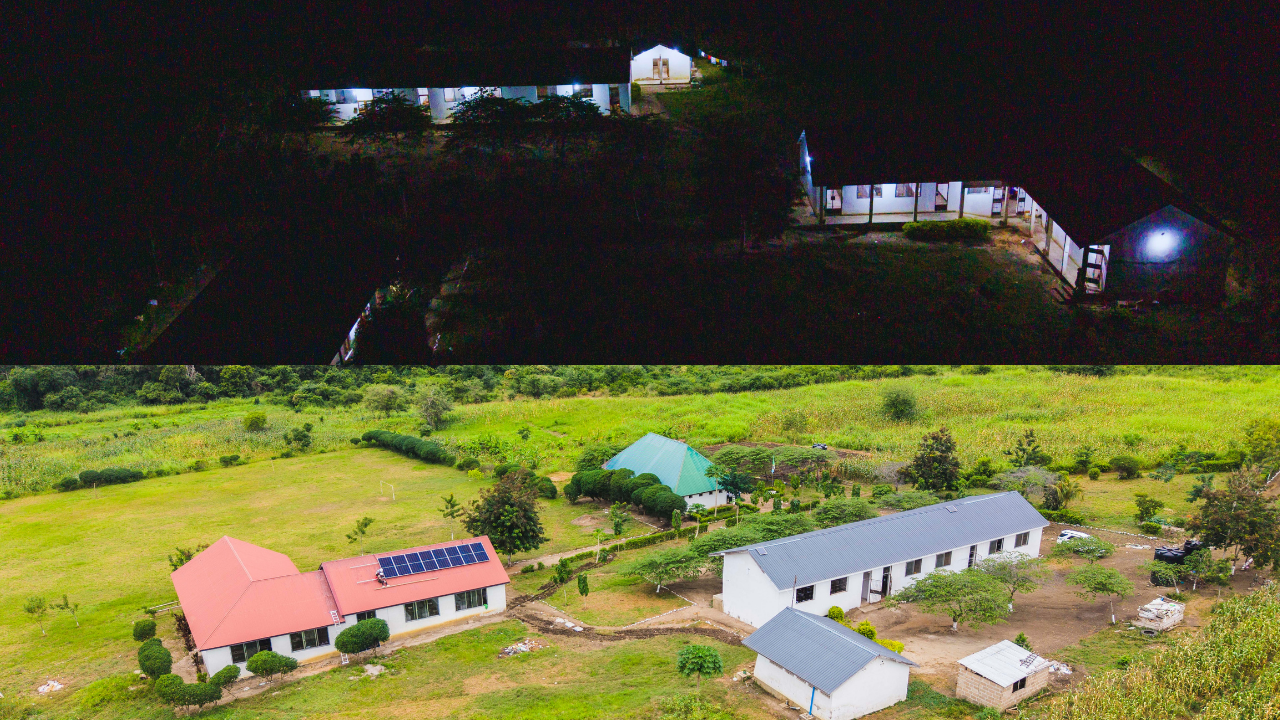
At the same time, in Lupembelwasenga village, solar energy improved healthcare delivery by bringing reliable electricity to a rural health facility, strengthening maternal care, vaccine storage, and emergency services.
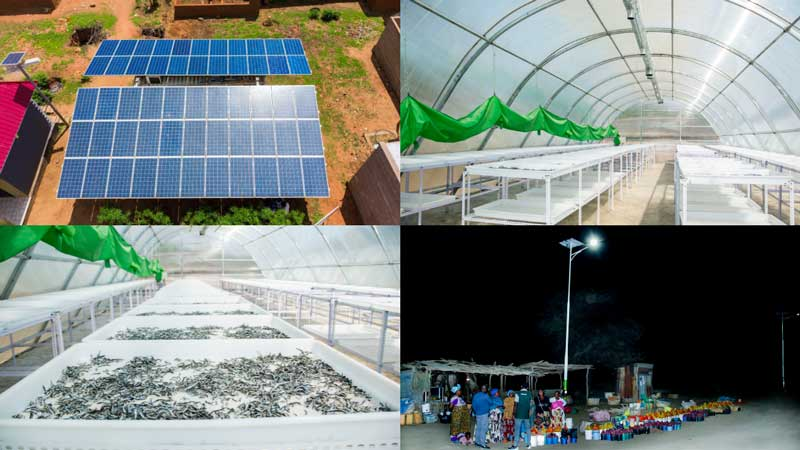
Solar mini-grid investments unlocked entrepreneurship and stimulated local economic growth in Dodoma, powering businesses and expanding access to essential services.
Other initiatives included the installation of solar streetlights in Morogoro, improving safety and extending business opportunities for women traders operating at night, as well as the introduction of solar-powered fish processing technologies in Ruvuma, helping fishing communities increase productivity, reduce post-harvest losses, and improve household incomes.
The legacy created by Mott Foundation’s support for off grid energy will continue long after the conclusion of its program in East Africa impacting generations to come.
All thanks to a powerful tri-factor: Mott’s early belief, communities’ embrace of innovation, and partnerships that transformed vision into impact.