
Mbamba Bay, Tanzania
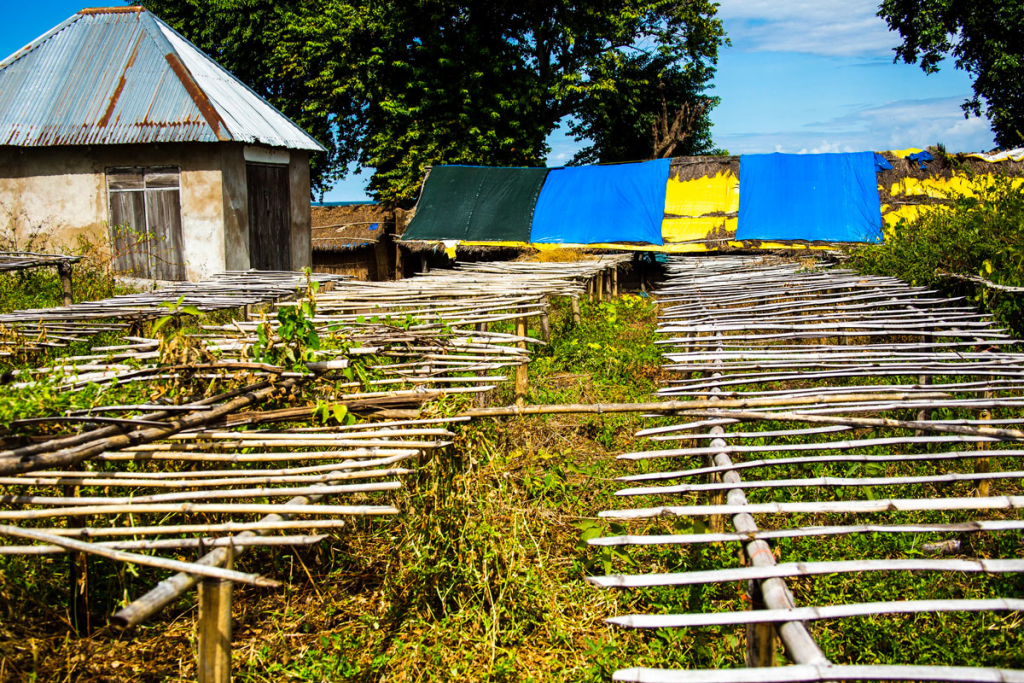
For years, fishers along the shores of Lake Nyasa have battled a common challenge: how to preserve their catch during peak fishing seasons when sardine landings exceed available drying space.
The result has often been significant post-harvest losses, with valuable fish spoiling before reaching markets.
Today, overcoming the challenge has started
The completion of a second solar-powered fish dryer at Mpaka Shores in Mbamba Bay marks another milestone in efforts to improve fish processing, reduce losses, and promote environmentally sustainable livelihoods for communities that depend on fishing in Lake Nyasa.
Constructed by ELICO Foundation, the facility builds on the success of the first solar dryer that was handed over less than a year ago to the Permanent Secretary in the Ministry of Livestock and Fisheries, Dr. Edwin Mhede.
Together, the two facilities are expected to significantly strengthen sardines processing capacity in one of Tanzania’s most productive fishing zones with the goal of reducing post-harvest losses, currently estimated at 30–40 percent.
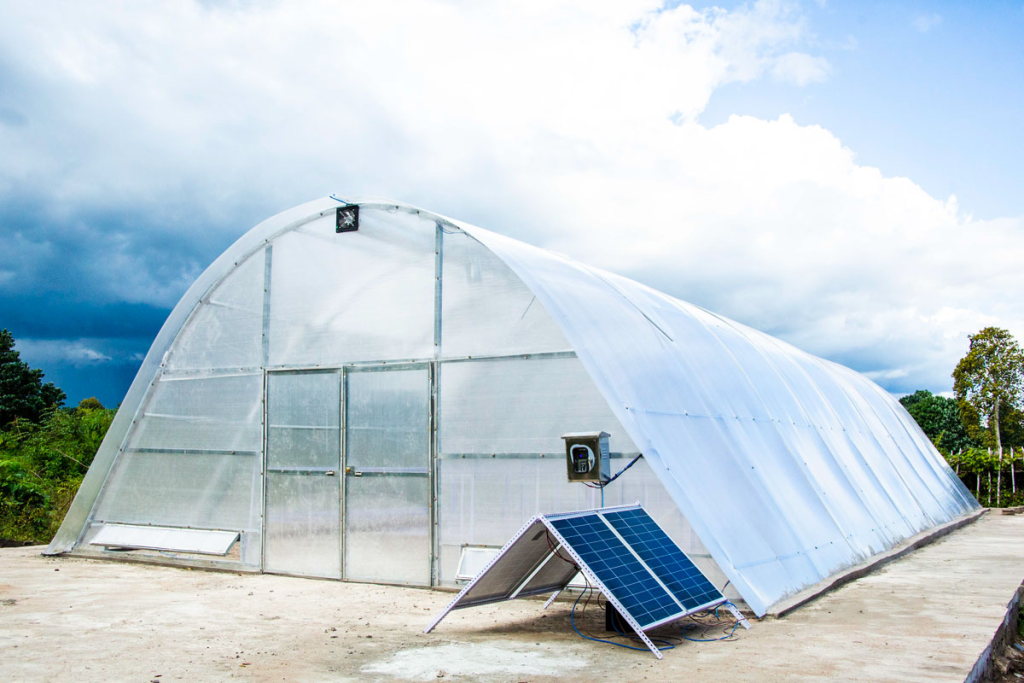
According to Engineer Erick Belton, who supervised the construction of the new dryer, the facility is capable of drying up to three tonnes of fish per day while maintaining high hygiene standards.
“The dryer will improve the quality and safety of fish products while reducing post-harvest losses,” said Belton. “It also offers environmental benefits because fishers will no longer need to cut trees to construct traditional drying racks, nor will they rely on charcoal or firewood for fish processing.”
Traditional fish drying methods often expose fish and sardines to contamination from dust, insects, and animals while requiring significant quantities of wood and other natural resources.
The solar dryer provides a cleaner and more efficient alternative powered entirely by renewable energy.
For fishers like Mr. Bruno Haule, a fishing entrepreneur and owner of several fishing canoes operating on Lake Nyasa, the new facility arrives at a critical time.
“During peak fishing seasons, we often struggle to find enough space to dry our sardines ,” he explained. “Sometimes the catch spoils before it can be processed, forcing us to throw it away. This facility will help us preserve more of what we harvest and reduce losses.”
Haule believes the technology will do more than prevent spoilage. By improving processing conditions, he expects sardine products from Mbamba Bay to meet higher quality standards and attract better prices in the market.
“The government should continue helping us identify reliable markets,” he added. “With these facilities, the quality of our products will improve significantly, and we need access to buyers who recognize that value.”
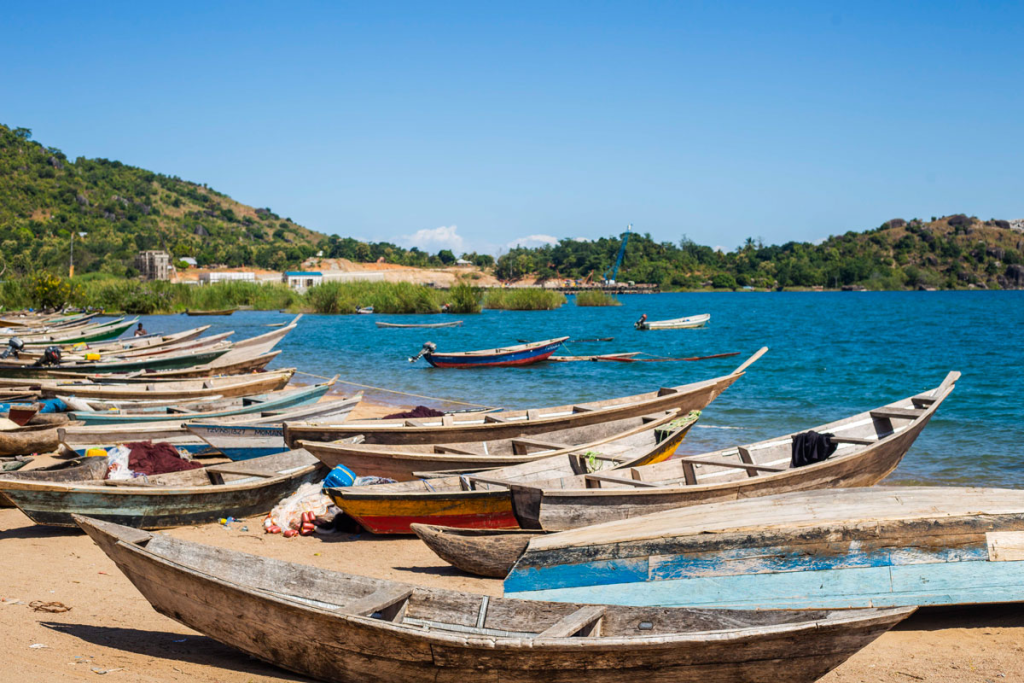
The importance of improving sardine processing extends beyond individual fishing households. Lake Nyasa supports thousands of livelihoods and plays a vital role in the local and national economy.
Speaking during the inspection, Mbamba Bay Fisheries Officer Erica Mathayo congratulated ELICO Foundation for the intervention and reaffirmed the Government’s commitment to supporting sustainable fisheries development.
“This is an important investment for our fishing communities,” she said. “We will continue working closely with stakeholders to improve the environment in which fishers operate and ensure sustainable utilization of our fisheries resources.”
Mathayo noted that the Lake Nyasa fisheries value chain provides employment to more than 122,000 people directly and indirectly, including fishers, sardine and fish processors, transporters, traders, and other business operators.
“The fisheries sector is a major source of livelihoods for many families,” she said. “The government will continue improving fish markets, upgrading fish landing sites, and investing in cold storage facilities to reduce post-harvest losses and increase incomes across the value chain.”
The expansion of solar-powered fish processing infrastructure comes at a time when climate-smart solutions are becoming increasingly important for rural economic development.
By reducing dependence on wood fuel and preventing unnecessary waste, the technology contributes to both environmental conservation and food security.
For communities along the shores of Lake Nyasa, the benefits are already becoming clear: more fish preserved, less waste discarded, improved product quality, and reduced pressure on surrounding forests.