
Arusha. Researchers, development practitioners and energy experts have called for increased investment in bioenergy technologies that harness underutilised African plants and agricultural waste as Tanzania seeks sustainable solutions to growing energy demand while addressing environmental challenges.
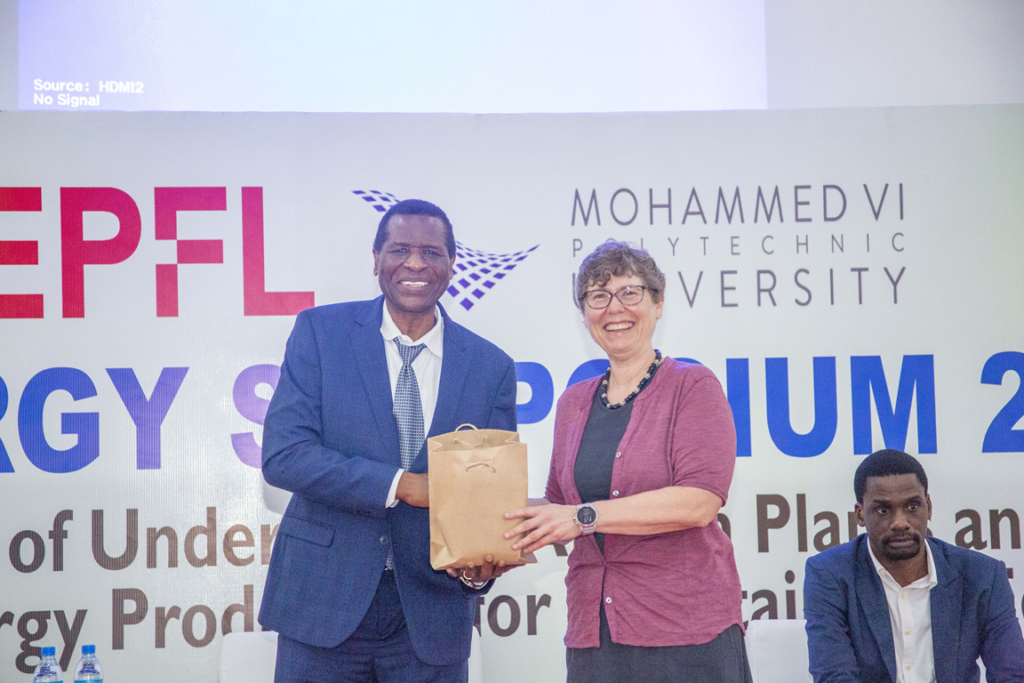
The call was made during the Bioenergy Symposium organised under the NM-AIST EXAF JFD Project at the Nelson Mandela African Institution of Science and Technology (NM-AIST) in Arusha.
Held under the theme “Exploiting the Potential of Underutilized African Plants and Agricultural Wastes in Bioenergy Production for a Sustainable Economy,” the symposium brought together researchers, academics and development organisations to discuss how scientific innovation can contribute to sustainable energy production and economic development.
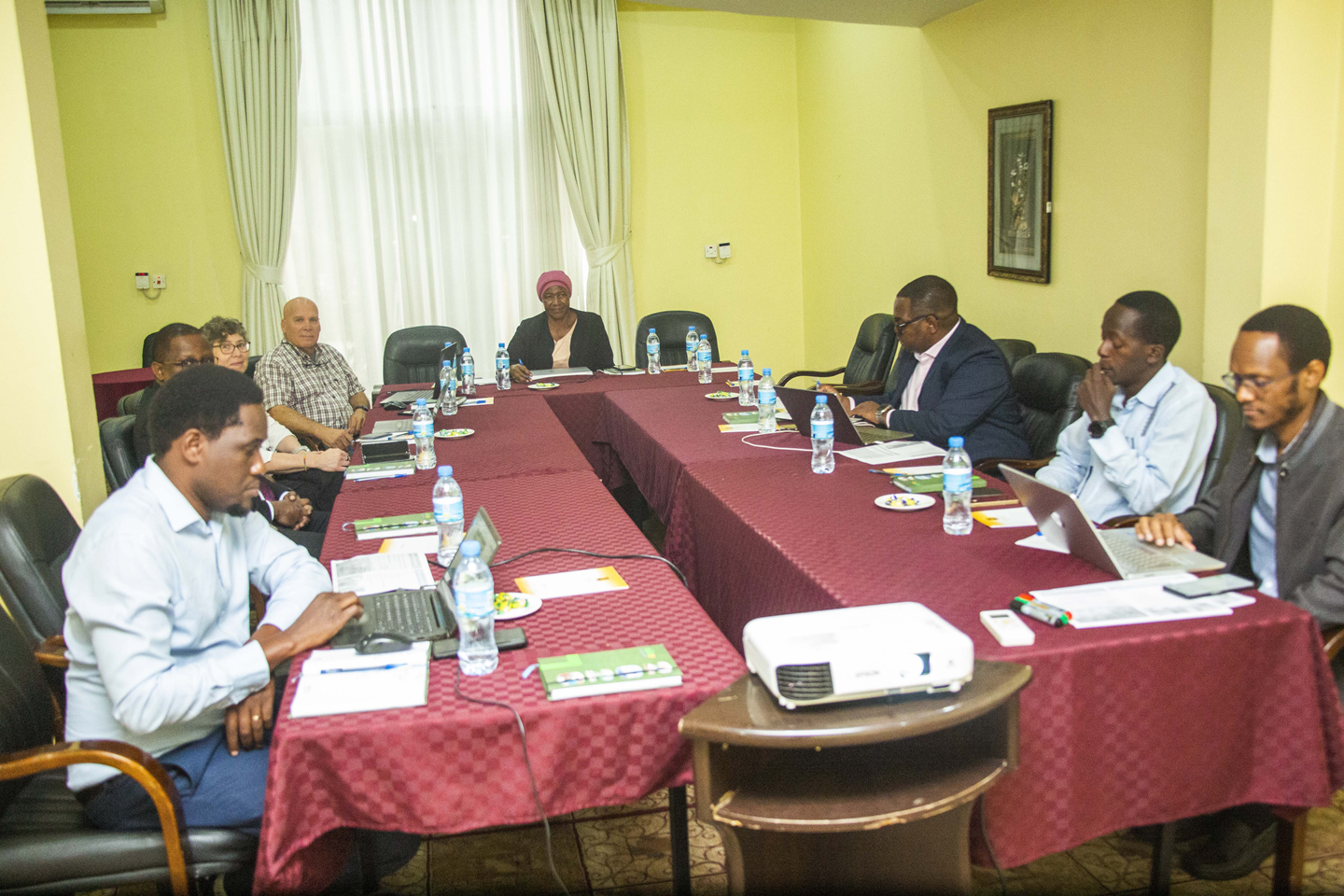
Among the participants was ELICO Foundation, whose Board members and leadership contributed to discussions on renewable energy, waste management, energy access and gender inclusion in science.
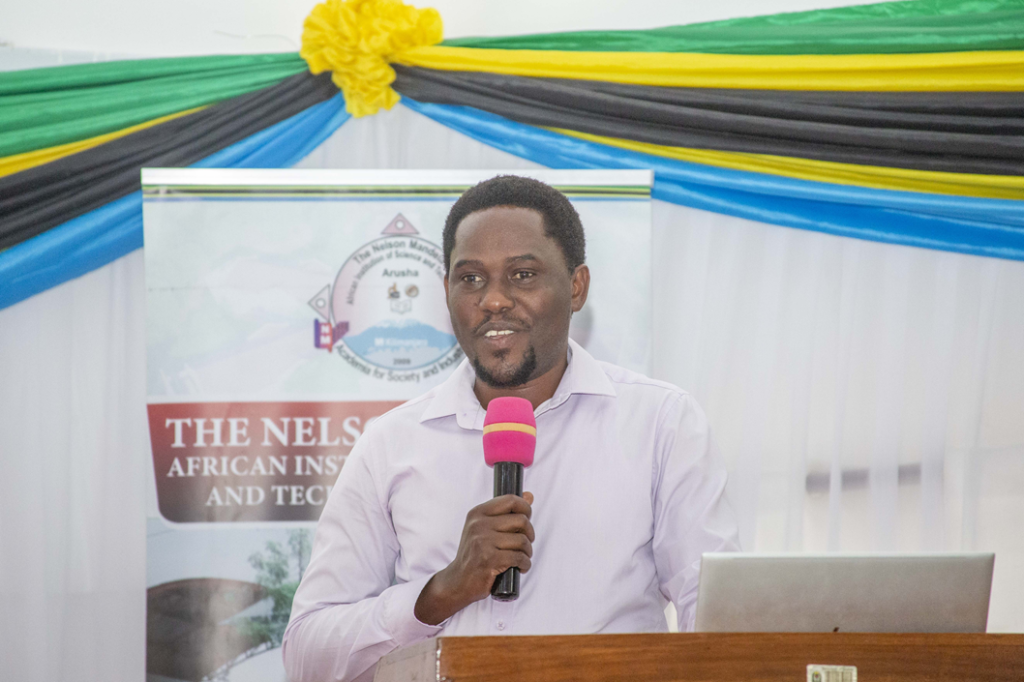
ELICO Foundation Executive Director Sisty Basil and Board Member Prof. Kelly Askew presented on Energo Waste and its Social Impact, highlighting how waste-to-energy innovations can improve livelihoods while reducing environmental pollution.
Speaking during another session, Prof. Brian Min presented research on tracking energy access and reliability from space, demonstrating how satellite technology can help governments and development partners better understand electricity access and improve energy planning in underserved communities.
Meanwhile, Prof. Aline Cotel discussed strategies for creating pathways for women in science and engineering, emphasizing the need to increase women’s participation in science, technology and innovation to address Africa’s development challenges.
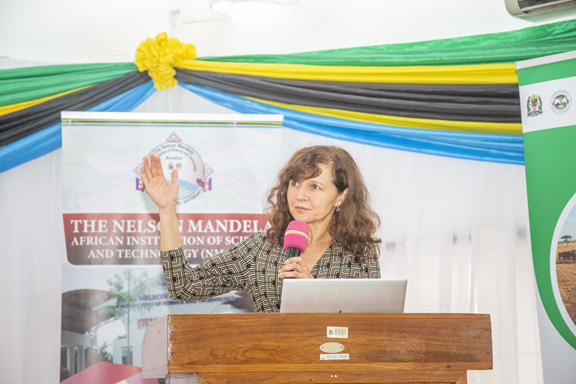
The symposium also featured a presentation by Prof. Kristin D. Phillips, who examined the rapid growth of data centres in the United States and the emerging energy challenges associated with their expansion, including approaches to managing their impacts on surrounding communities.
The event was officially opened by NM-AIST Deputy Vice Chancellor for Academic, Research and Innovation, Prof. Antony Mshandete, who underscored the importance of research, innovation and collaboration in advancing sustainable energy solutions for Africa.
Participants noted that stronger collaboration between universities, research institutions, government and development organisations will be critical in translating scientific research into practical clean energy solutions capable of improving livelihoods and supporting sustainable economic growth across the continent.