
ELICO Foundation brings communities and key stakeholders together to explore an innovative approach to financing sustainable energy solutions.
What if existing water infrastructure could do more than provide access to clean and safe water? What if it could also help healthcare facilities access the financing they need to power their services?
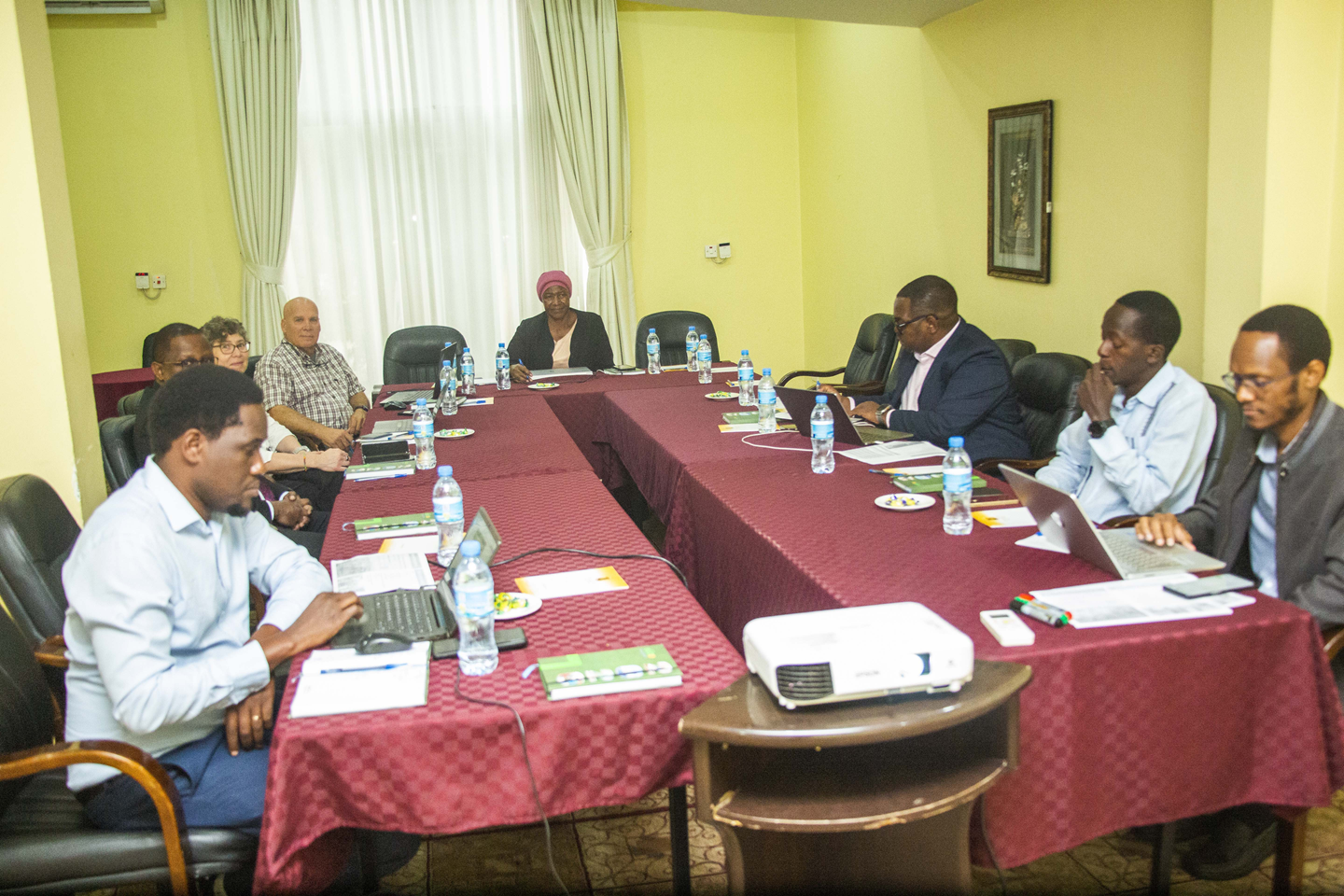
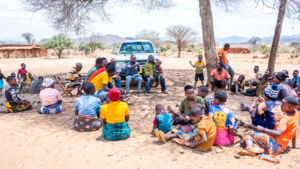
This was the central question explored when ELICO Foundation convened a stakeholder validation workshop on 23 October 2026 at St. Gasper Hotel in Dodoma, Tanzania, under the SEforALL project.
The workshop brought together community representatives from Mafurungu and Chitabuli villages, government officials, water-sector institutions, non-governmental organisations, financial and insurance-sector representatives, and technical experts.
Together, they examined the feasibility of using the financial value of existing water infrastructure as collateral to access loans for solar energy investments in healthcare facilities.
Exploring the financial value of water infrastructure
In many communities, access to reliable electricity remains an important challenge for healthcare service delivery. Solar energy offers an alternative, but the cost of installing these systems can make financing difficult.
The approach being explored under the project seeks to address this challenge by looking beyond conventional grant-based financing. It considers whether existing water distribution systems can be assessed as financial assets and used to support borrowing from financial institutions.
A preliminary financial assessment conducted ahead of the workshop estimated the total value of the water system at TZS 64,059,100. Based on a 50% Loan-to-Value ratio, the potential borrowing capacity was estimated at TZS 32,029,550, against an estimated solar investment requirement of TZS 19,600,000.
These preliminary figures suggest that the assessed value of the infrastructure could potentially provide sufficient collateral for the proposed investment, subject to the lending requirements and approval of financial institutions.
However, the question was not simply whether the numbers worked. It was also whether the proposed model could work in the realities of the communities and institutions responsible for managing these systems.

Bringing community perspectives into the conversation
Through group discussions, participants examined the opportunities, risks and practical considerations that would influence the implementation of the proposed financing approach.
One of the strongest themes was the importance of collaboration. Participants highlighted the need for closer cooperation between Community-Based Water Supply Organisations (CBWSOs), RUWASA, NGOs, government institutions and private-sector actors. They noted that clearly defined responsibilities would be essential, particularly in managing infrastructure, collecting revenue and ensuring accountability.
Participants also explored alternative financing opportunities, including RUWASA funding, private donor contributions, NGO partnerships, revolving funds, Public-Private Partnerships and the potential for carbon credit financing linked to solar-powered water infrastructure.
At the same time, community representatives and other stakeholders raised important concerns about the sustainability of the model.
The relatively low cost of water services was one of these concerns. Participants cited the example of a 20-litre container of water costing approximately TZS 50 and questioned whether the revenue generated could adequately cover operational costs, maintenance and potential loan repayments.
They also emphasised that communities need to understand the importance of paying for water services and how the revenue collected contributes to maintaining infrastructure and sustaining services over time.
Sustainability goes beyond financing
The discussions made it clear that unlocking financing is only one part of the solution. For the approach to succeed, the infrastructure must remain functional, communities must be involved in decision-making, and financial resources must be managed transparently.
Participants called for stronger community engagement in policy and planning processes, noting that decisions should reflect the actual needs and experiences of the people directly affected. They also recommended strengthening direct engagement between institutions such as RUWASA and communities.
Technical capacity was another important consideration. Those responsible for operating water infrastructure need adequate training to manage the systems effectively, while maintenance must be planned and prioritised according to available resources.
Participants further highlighted the need for clear guidelines on water use to ensure that demand remains within the capacity and intended purpose of the infrastructure.
These perspectives reinforced an important lesson: sustainable infrastructure depends not only on the availability of financial resources, but also on effective management, community ownership, institutional cooperation and accountability.
Turning stakeholder insights into the next steps
For ELICO Foundation, the validation workshop provided an opportunity to bring different perspectives together and examine the proposed financing model beyond its technical and financial assumptions.
The feedback gathered offers important considerations for refining the approach, particularly around financial feasibility, institutional arrangements, community participation, infrastructure maintenance and alternative financing mechanisms.
While further financial modelling and engagement with relevant institutions will be necessary before the proposed model can be implemented, the discussions opened an important conversation about how existing community infrastructure could help unlock new financing opportunities for energy access.
Ultimately, the initiative is about exploring innovative ways to connect water infrastructure, sustainable energy access and improved healthcare services.
By bringing communities, government institutions, development partners and financial-sector stakeholders into the same conversation, ELICO Foundation is contributing to the exploration of financing approaches that respond to local realities and support the long-term sustainability of essential services.