
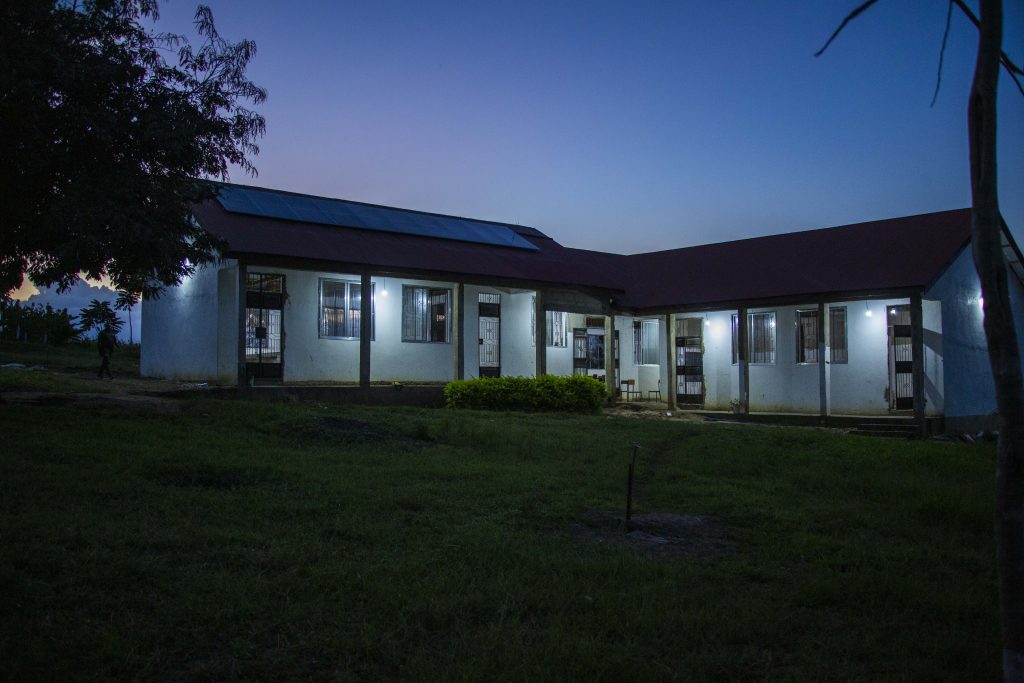
As darkness fell over Ziada Secondary School in Chalinze District, learning did not stop but it became much harder.
Students preparing for national examinations relied on flashlights to revise their lessons, while teachers struggled to use computers and other electronic teaching equipment because the school lacked reliable electricity.
For years, limited access to power constrained both teaching and learning.
“It was difficult to study at night because we depended on flashlights,” says Form Four student Shamsia Abasi. “The light was not strong enough, and it affected how long we could study.”
Her classmate, Issa Mrisho Mwangole, says students often found it difficult to prepare adequately for examinations.
“We used flashlights with dim light. It was difficult to read and concentrate for long hours,” he says.
The challenges extended beyond students.
Headmistress Faraja Juma Mwilima says the school owned equipment that required electricity but could not fully utilize it.
“We had teaching equipment, but without electricity we couldn’t use it. Students in examination classes even had to buy flashlights so they could study at night,” she says.
Vice Headmaster Charles Petro recalls charging laptops at home before bringing them to school.
“The batteries could not last long enough to support classroom lessons, especially when teaching topics that required computers,” he says.
According to UNICEF, reliable electricity improves the quality of education by enabling schools to use classroom lighting, computers, projectors, and other essential learning technologies.
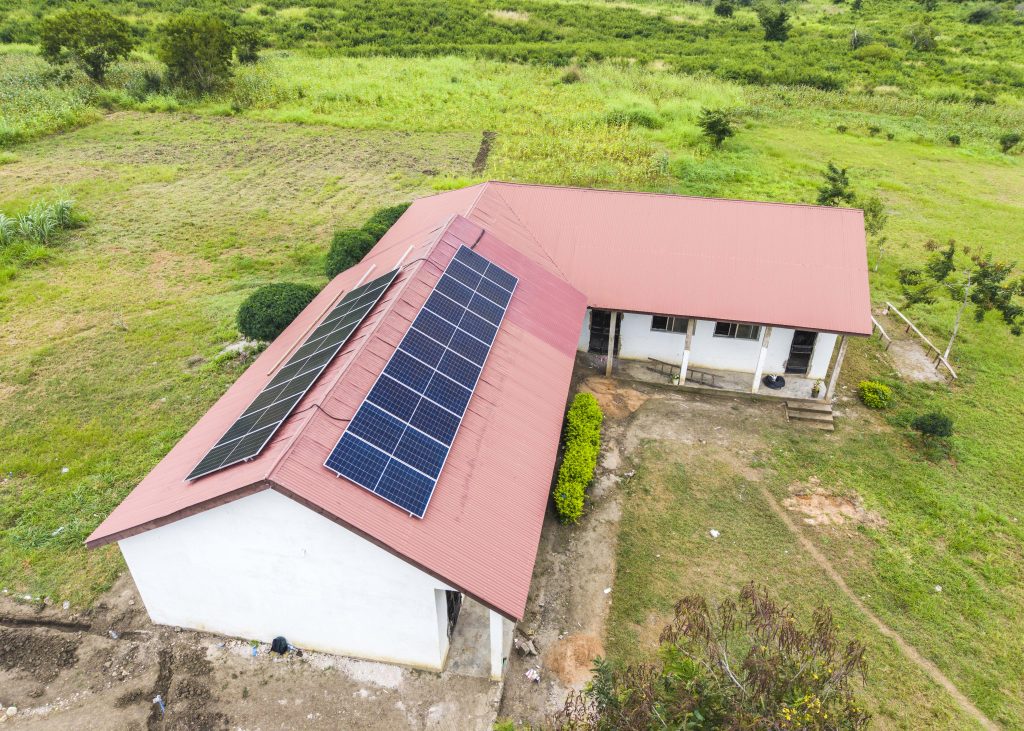
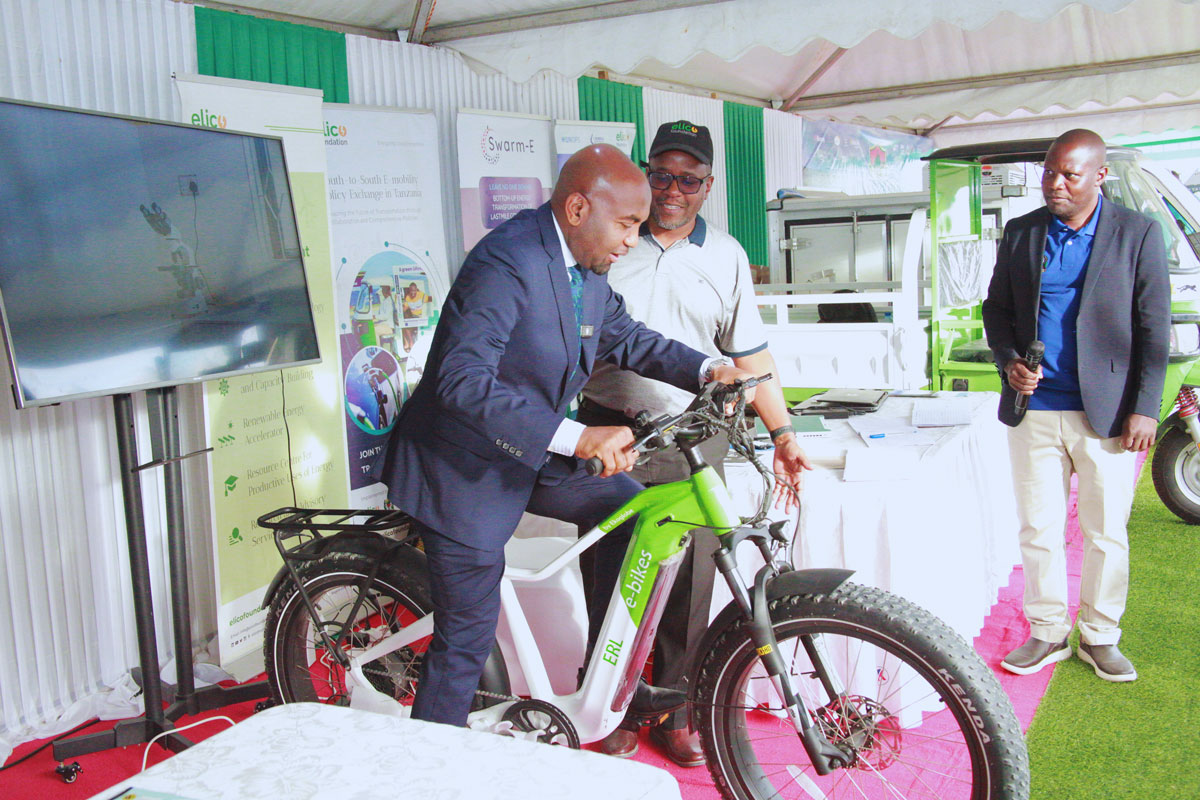
Seeking to address these challenges, ELICO Foundation introduced Kijanisha Shule, a programme designed to transform schools into sustainable learning hubs through renewable energy, digital empowerment, WASH and nutrition interventions, as well as sustainable mobility solutions.
At Ziada Secondary School, the programme began with the installation of a hybrid solar energy system comprising a 12-kilowatt peak solar photovoltaic array, a 10-kilowatt hybrid inverter, and a 10-kilowatt-hour lithium battery storage system.
The system now provides reliable electricity for classrooms, evening study sessions, and essential learning equipment.
The difference is already being felt across the school.
Students can now study after dark under proper lighting and organize evening discussion groups without depending on flashlights.
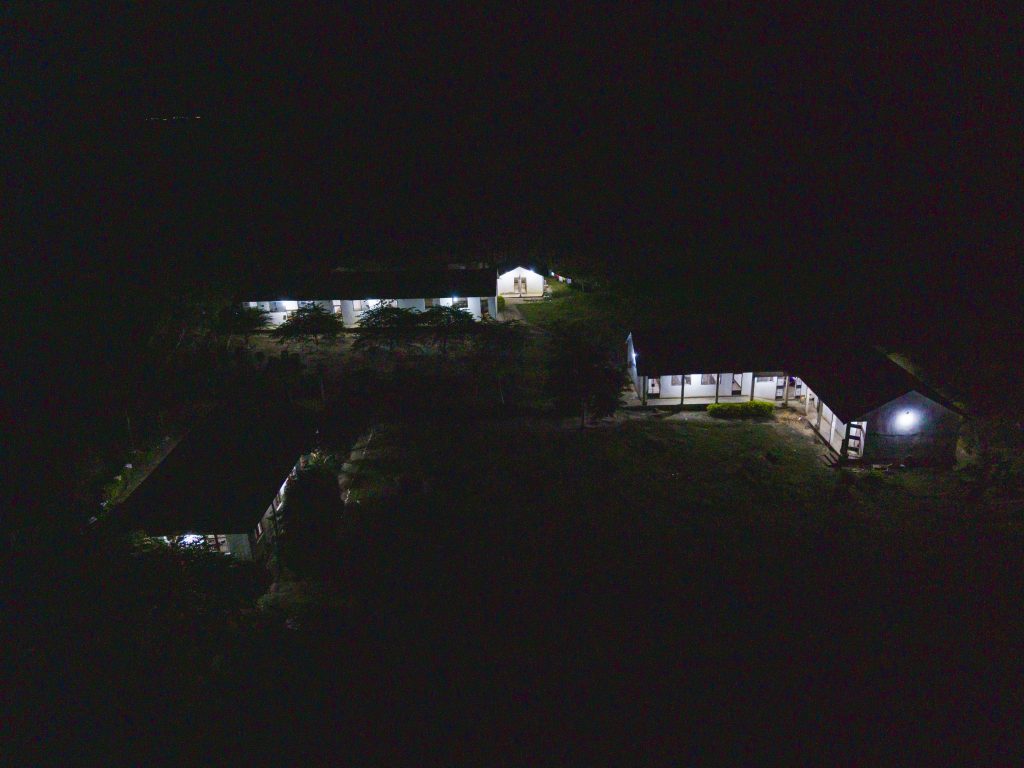
“I feel proud that we now have electricity,” says Shamsia. “We have enough time to study, and it gives us a better chance of succeeding in our examinations.”
Teachers have also begun integrating technology into classroom lessons, improving the learning experience for students.
Beyond education, reliable electricity has strengthened security around the school.
School guard Elia Daudi says carrying out patrols at night has become much easier.
“Before, poor lighting made it difficult to identify potential security threats. Now the school is much safer,” he says.
Research shows that schools with access to electricity are better positioned to integrate technology into teaching, improve learning environments, and expand educational opportunities, particularly in rural communities.
For the students and teachers at Ziada Secondary School, access to reliable electricity is no longer just about keeping the lights on it is about unlocking opportunities that were once beyond reach.